The Patchwork Pantry: Why One Store Isn't Enough
8 Jul, 2024
Stocking a kitchen with healthy, affordable food is more complicated than it’s ever been. One stop rarely covers it all, especially if you’re aiming for a balance of quality, nutrition, and price. In our household, the weekly shop isn’t a single errand but a rotation: the local farmers market for the freshest greens and eggs, the neighborhood co-op for bulk dry goods and fair-trade coffee, and at least two of the big-box stores for the rest. This mosaic approach may take more time, but over the years it’s become the only way to get everything our family needs without blowing the budget.
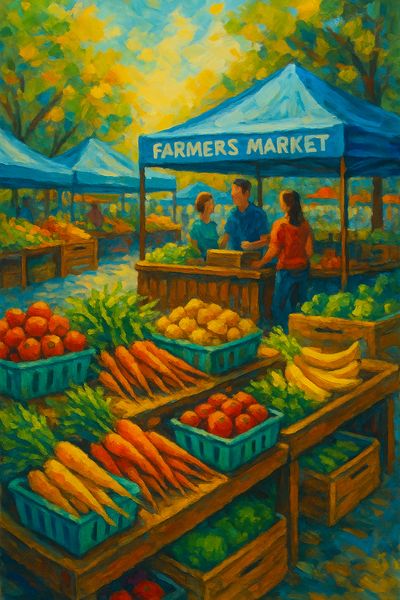
The local farmers market is always the starting point. The produce there is a revelation—carrots with flavor, apples that actually taste different by variety, and eggs with golden yolks. Prices can be a bit higher, but knowing the people who grew your food (and where it’s from) is worth it. If you show up in the last hour, some vendors offer deals to clear out the day’s stock. We fill canvas bags with the week’s best, then plan meals around what’s in season.
Next comes the neighborhood co-op, a place where the bins are filled with grains, beans, and spices you can scoop yourself. We get oatmeal, lentils, flour, and even nut butter by the pound, cutting down on packaging and often cost. The co-op’s selection of fair-trade coffee and chocolate is unbeatable, and their staff is happy to recommend recipes or new brands. It’s also where we find specialty items like organic miso, tahini, or gluten-free baking mixes—things that mainstream chains rarely carry.
For household staples and things that just make life easier, we rotate between Kroger, Costco, and Trader Joe’s. Kroger’s weekly sales are reliable for things like milk, cheese, and pantry basics. Costco is unbeatable for bulk items—rice, pasta, frozen fruit, and snacks—especially if you’re feeding more than two. The up-front cost can be daunting, but the per-unit price and longevity of bulk goods more than pay off. Trader Joe’s rounds out the trip with unique frozen meals, affordable nuts and dried fruits, and fun extras (like their Everything but the Bagel seasoning) that brighten up weekday lunches.
The real trick is knowing what to get where, and when. We keep a running list on our phones, organized by store. Some weeks, a quick Kroger stop and the farmers market will suffice; others, we’ll do the full circuit if the pantry’s running low or there’s a special occasion. Each place offers something the others don’t—whether it’s local flavor, bulk savings, or niche treats. By piecing together the best of each, we eat better and spend less than we would shopping at a single store.
Of course, this juggling act takes time and planning, and not everyone can spare an extra hour on a Saturday morning or drive across town for a sale. But for us, the ritual of making the rounds is part of what keeps cooking—and eating—interesting. We meet new people, try new foods, and keep a sense of connection to our community. If you’ve only shopped at one place for everything, give the patchwork pantry approach a try; you might find that your meals—and your budget—are the better for it.